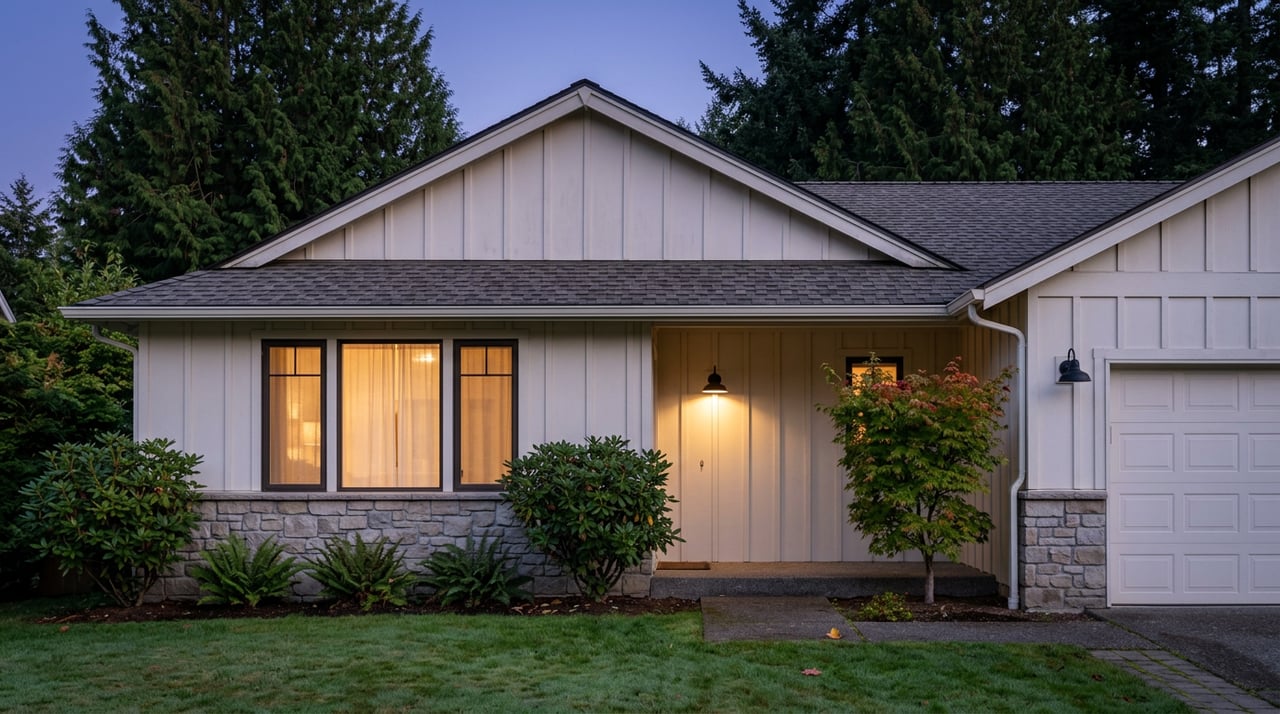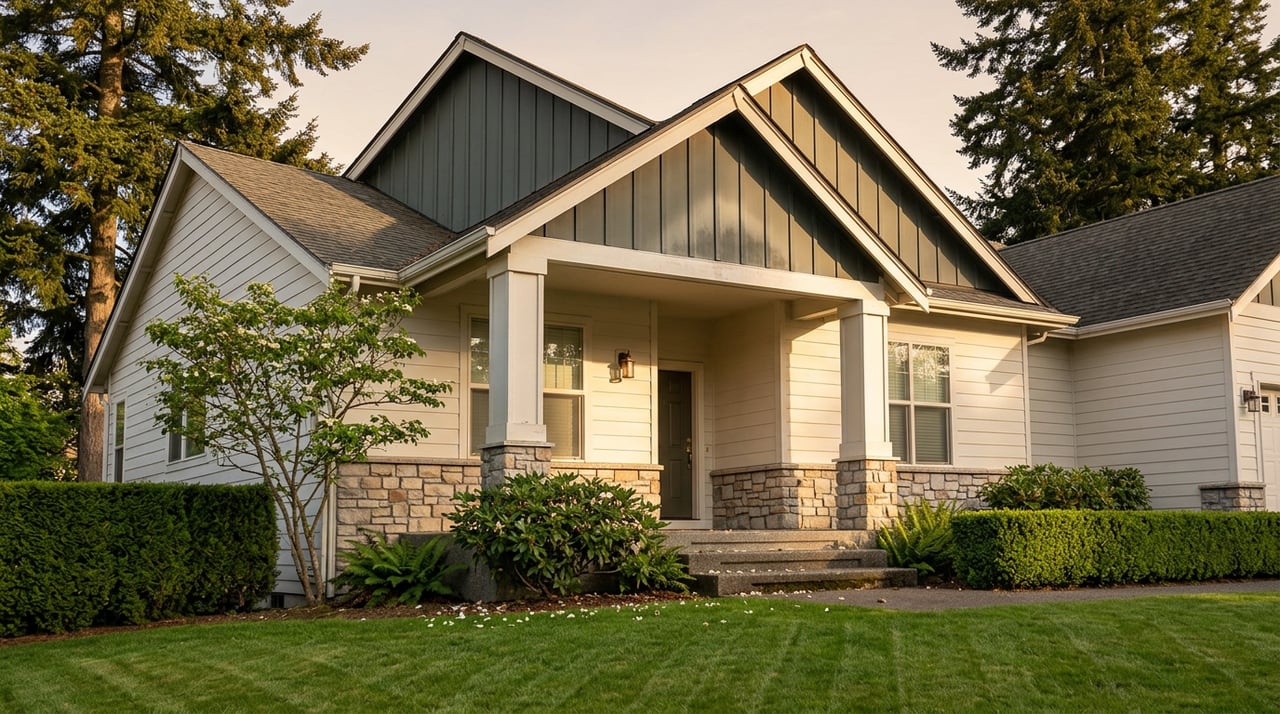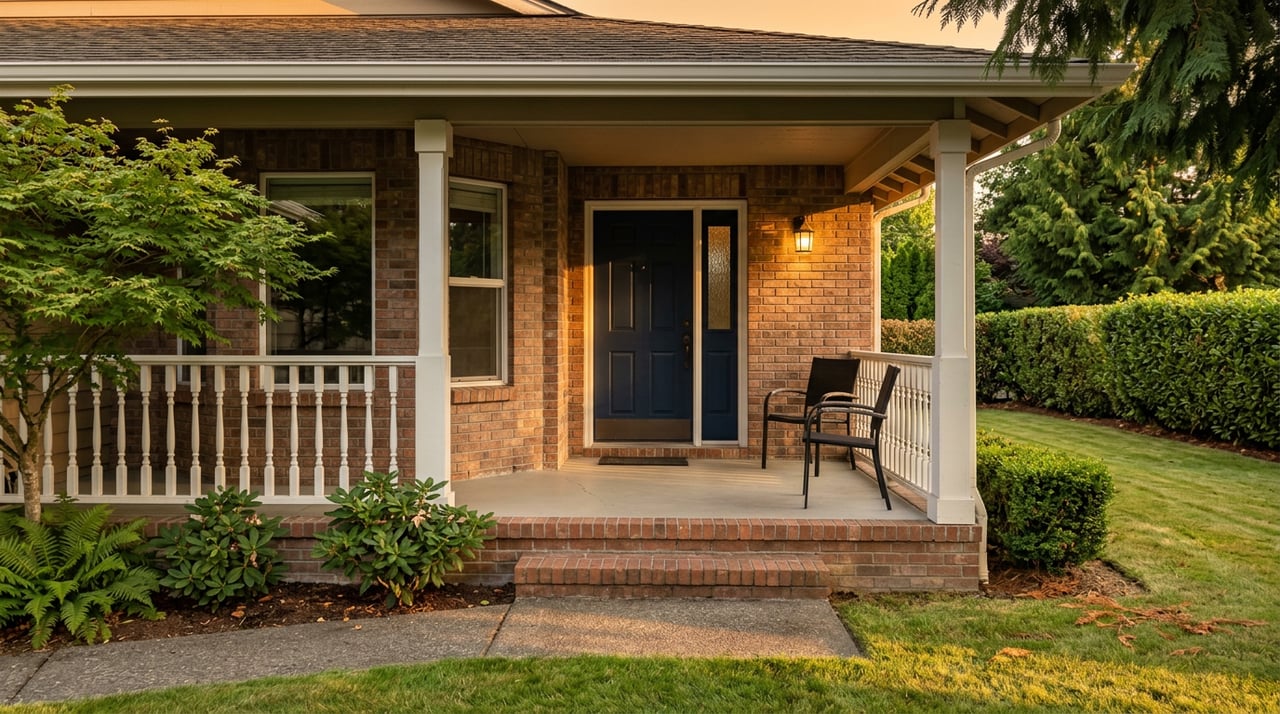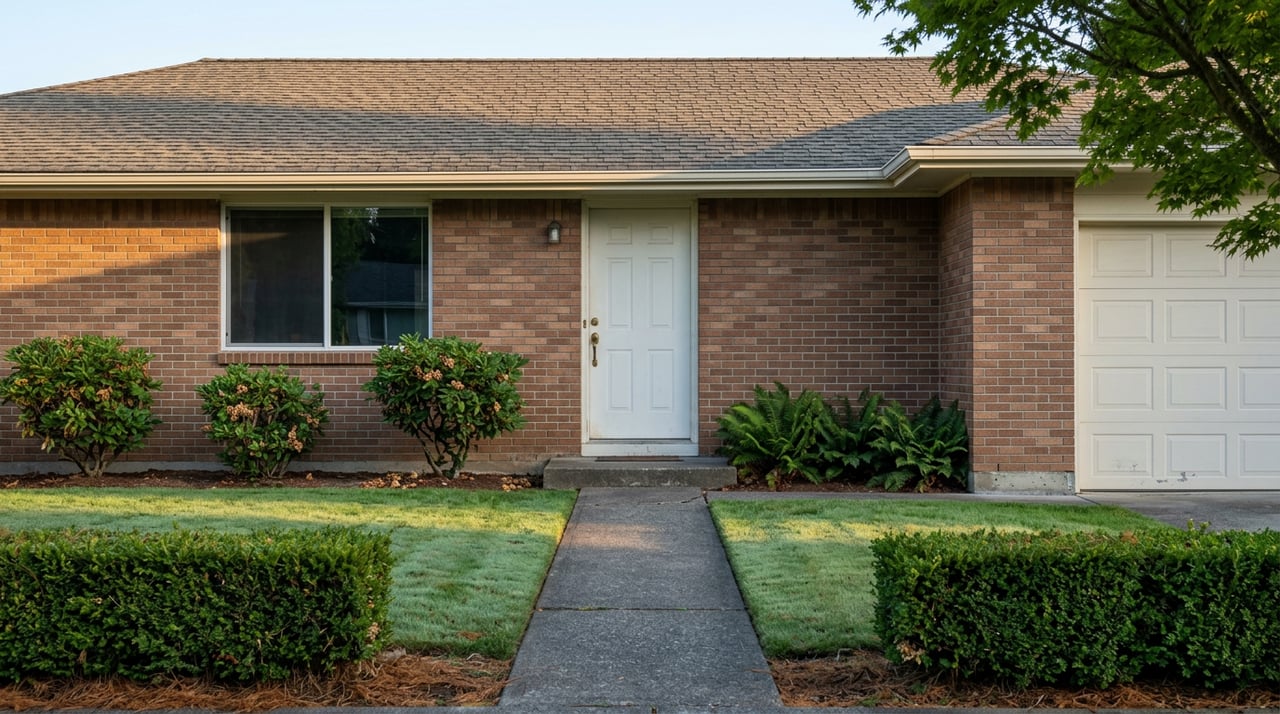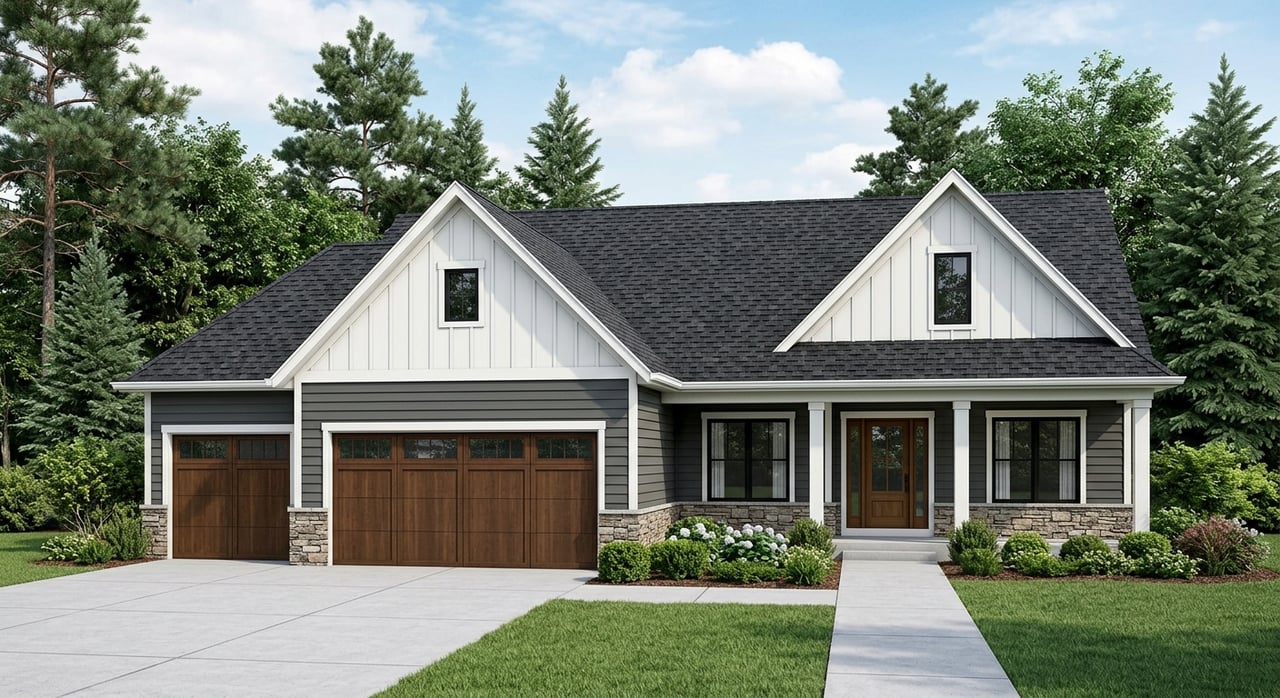
Trying to figure out which Oak Harbor neighborhood fits your life can feel harder than narrowing down the house itself. If you are moving across Whidbey Island, relocating for NAS Whidbey Island, or simply want a better feel for the city before you buy, the neighborhood matters just as much as the floor plan. This guide breaks Oak Harbor into practical buyer-friendly groupings so you can compare lifestyle, housing character, and future growth with more confidence. Let’s dive in.
Why Oak Harbor’s layout matters
Oak Harbor sits on the north end of Whidbey Island in Island County, and the city describes it as a small-town community with a vibrant downtown, a growing retail base, and a close relationship with NAS Whidbey Island. The city also notes that Oak Harbor is accessible by both land and ferry, which shapes how many buyers think about commuting, travel, and daily convenience. You can learn more from the City of Oak Harbor overview.
For buyers, neighborhood lines are more than labels on a map. They often signal differences in home age, density, utility service, development patterns, and how close you are to downtown, open space, or future growth areas.
If you want to verify boundaries, the city’s official neighborhood maps are the best place to start. That matters because some areas feel similar on the ground but have very different planning context.
How to think about Oak Harbor neighborhoods
Oak Harbor’s official neighborhood names are useful, but most buyers find it easier to compare areas by lifestyle. In simple terms, you can think about Oak Harbor in four buckets: the in-town core, established residential neighborhoods, scenic edge-of-town areas, and fringe or specialized areas.
This is not an official city classification. It is a practical way to help you build a shortlist based on how you want to live.
In-town core neighborhoods
Old Town
Old Town is the original town site and includes the downtown commercial core, marina, waterfront parcels, and a mix of residential density. If you want to be close to downtown activity and the waterfront, this is one of the strongest places to focus your search.
The city’s comprehensive plan notes that Old Town is well suited to infill and higher density, and parking is limited by design. That means the area can offer convenience and character, but you may also notice more redevelopment activity and tighter parking than in other parts of town.
Midtown
Midtown sits just north of Old Town and is mostly residential. The area is largely single-family, with some multifamily parcels and small-scale commercial uses along Midway Boulevard.
For buyers, Midtown often makes sense if you want an in-town location without being right in the downtown core. The city also notes some sidewalk and bike-lane gaps here, which is worth keeping in mind if walkability is high on your list.
Modern Midway
Modern Midway is a post-World War II-style gridded neighborhood with mostly single-family homes and a commercial core along NE Midway Boulevard. The housing mix includes mid-century modern and more traditional styles.
This area is highly developed, with few large lots left for infill or redevelopment. In practical terms, that often means a more established feel and a housing stock that may appeal to buyers looking for older homes in a central location.
Gateway District
The Gateway District functions as the northern entry into Oak Harbor via Highway 20. It is mostly commercial, with hotels, restaurants, and visitor-oriented uses.
For most homebuyers, this is not a typical residential target area. It is better understood as a service corridor than a standard neighborhood search zone.
Established residential neighborhoods
Fair Winds
Fair Winds is made up mostly of late-20th-century suburban development, with many single-family homes built from about 1970 to 1990 and some newer homes mixed in. The area also includes denser multifamily pockets along the Oak Harbor Street corridor.
The comprehensive plan notes that Fair Winds includes schools, churches, and small parks. For many buyers, this area offers a straightforward suburban feel with a housing stock that is more established than brand-new construction but often newer than parts of the in-town core.
Broad View
Broad View is another established single-family area, with homes dating from the 1960s to the present. The city also identifies churches near the eastern edge and several small parks within the neighborhood.
There is relatively little vacant land left in Broad View. If you are looking for a neighborhood with a settled residential pattern and fewer signs of major future change, this area may be worth a closer look.
Scenic and edge-of-town areas
Scenic Heights
Scenic Heights forms the southern gateway into Oak Harbor and includes mostly residential properties and open space along the waterfront. Freund Marsh is located here, and the city says its only waterfront bluff property is also in this neighborhood.
A walking and biking path connects toward Old Town, which adds to the area’s appeal for buyers who want scenery with some connection to the in-town core. Because of its setting and location, Scenic Heights can also be one of the more premium-feeling areas in the local market.
Swantown
Swantown sits on the far western side of the city and is almost entirely single-family housing, much of it developed since the 1970s. It tends to appeal to buyers who want a residential setting with an edge-of-town feel.
One important detail is that much of Swantown lies outside city limits but inside the urban growth area, or UGA. In some places outside city limits, homes may not be connected to city sewer and may instead rely on community or individual septic systems, which is a practical question worth checking early in your home search.
Fort Nugent
Fort Nugent is Oak Harbor’s southwestern frontier and one of the city’s most active areas for recent single-family construction. It also includes Fort Nugent Park, a private golf club, and large areas of open space and vacant land.
The city’s comprehensive plan identifies Fort Nugent as the most logical direction for UGA expansion. If you are looking for newer homes or want to buy in an area tied to future growth, Fort Nugent deserves serious attention.
Fringe and specialized areas
Silverspot Valley
Silverspot Valley includes denser residential pockets, permanent open space, and wetland. The housing mix is broader here than in many other neighborhoods, including single-family homes, multifamily housing, and manufactured home parks.
Some parts of Silverspot Valley sit outside city limits and may need utility extensions before development can occur. For buyers, that means the area can offer variety, but not every property will be as straightforward as an in-town purchase.
Ault Forest
Ault Forest is mostly industrial and undeveloped land at the north end of the city. The comprehensive plan says proximity to NAS Whidbey’s airfield limits residential development, and no new residential projects are permitted north of the 16th Avenue alignment.
For that reason, Ault Forest is not a typical neighborhood choice for most civilian resale buyers. It is better viewed as a specialized planning area than a standard home search destination.
Crescent Harbor
Crescent Harbor is not a conventional civilian resale neighborhood. It is entirely U.S. Navy-owned, includes much of the housing for NAS Whidbey Island, and is outside the city’s zoning jurisdiction.
This distinction is especially important for military-connected buyers. Living near the base is not the same as buying in Navy-owned housing, so it helps to separate those two ideas early in your search.
What prices generally look like
Oak Harbor’s housing market is not an entry-level market in the broad sense. According to the city’s Housing Needs Assessment, the median home value in 2023 was $496,987.
The research also notes current market context from broader data sources summarized in that assessment package, including an Oak Harbor average home value of $523,524 and a March 2026 median listing price of $625,000 for ZIP code 98277. These numbers help frame expectations, but they do not function as a neighborhood-by-neighborhood pricing chart.
A practical shorthand for buyers looks like this:
- Lower-to-mid range: parts of Midtown and Modern Midway, where homes are often older and the housing mix is broader
- Midrange: Fair Winds, Broad View, Swantown, Fort Nugent, and much of Silverspot Valley
- Upper-mid to premium: Scenic Heights and Old Town waterfront blocks, where waterfront, bluff, marina, or redevelopment-adjacent locations may command more
- Not a standard pricing category: Gateway District, Ault Forest, and Crescent Harbor, because they are primarily commercial, industrial, or Navy-owned rather than typical resale areas
How to shortlist the right area
If you want convenience
Old Town, Midtown, and parts of Modern Midway are usually the most practical starting points. These neighborhoods place you closest to downtown activity and the waterfront, and they tend to be the most walkable parts of Oak Harbor.
The tradeoff is that these areas may also bring more redevelopment pressure, more limited parking, and some pedestrian infrastructure gaps depending on the block. If convenience matters most, that may still be a strong trade.
If you want a suburban feel
Fair Winds and Broad View are often the easiest fit for buyers who want established single-family surroundings. These neighborhoods have a more traditional suburban pattern and tend to feel straightforward from a home-search standpoint.
Compared with the in-town core, they generally offer less commercial convenience and less opportunity for future infill. For many buyers, that is part of the appeal.
If you want open space or scenery
Scenic Heights, Fort Nugent, Swantown, and parts of Silverspot Valley are the most relevant places to explore. These areas often appeal to buyers who want a little more breathing room or a less central setting.
The tradeoffs can include fewer sidewalks in some areas, more variation in utility or sewer coverage, and a higher chance of living near future annexation or construction activity. The city’s comprehensive plan and FAQ on growth and annexation both point to the south and southwest edge of town as a key area for future change.
Which neighborhoods may change the most
If future growth is part of your decision, keep a close eye on the south and southwest side of Oak Harbor. The city says Oak Harbor and its UGA are expected to absorb more than half of Island County’s future growth and plan for thousands of new housing units by 2045.
That makes areas around Fort Nugent, SW 24th Avenue, and land along State Route 20 near Scenic Heights Road especially important for buyers who are thinking beyond today’s listing inventory. You can see that context in the city’s annexation and planning FAQ.
Downtown is also evolving. The city says the Oak Harbor Downtown Waterfront redevelopment is underway across more than 600 acres and is being transformed into a mixed-use area with protected green space, public art, and community recreation.
A local way to approach your search
The best neighborhood for you depends on what matters most in daily life. If you want to be near downtown energy and the waterfront, focus first on the in-town core. If you want established residential streets, look hard at Fair Winds and Broad View. If you want newer homes, open space, or future growth potential, Fort Nugent and nearby southern areas may rise to the top.
If you want help comparing Oak Harbor neighborhoods, sorting through utility and growth questions, or narrowing your shortlist based on your timeline and goals, the team at Better Homes and Gardens McKenzie Realty is here to help you move with clarity and confidence.
FAQs
Which Oak Harbor neighborhoods are most walkable for buyers?
- Old Town, Midtown, and parts of Modern Midway are the strongest options for buyers who want to be closer to downtown activity and the waterfront.
Which Oak Harbor neighborhoods have newer homes?
- Fort Nugent, Swantown, Fair Winds, and some parts of Silverspot Valley are the main areas associated with newer housing or more recent construction.
Which Oak Harbor neighborhoods may see more future growth?
- The south and southwest edges of Oak Harbor, especially around Fort Nugent and Scenic Heights Road, are the areas the city’s planning materials identify most closely with future growth and annexation discussions.
Which Oak Harbor areas are less straightforward for a typical buyer?
- Gateway District, Ault Forest, and Crescent Harbor are less typical for standard homebuyers because they are primarily commercial, industrial, or Navy-owned rather than conventional resale neighborhoods.
Which Oak Harbor neighborhoods fit buyers who want a suburban feel?
- Fair Winds and Broad View are the clearest choices for buyers looking for established single-family neighborhoods with a more traditional suburban layout.