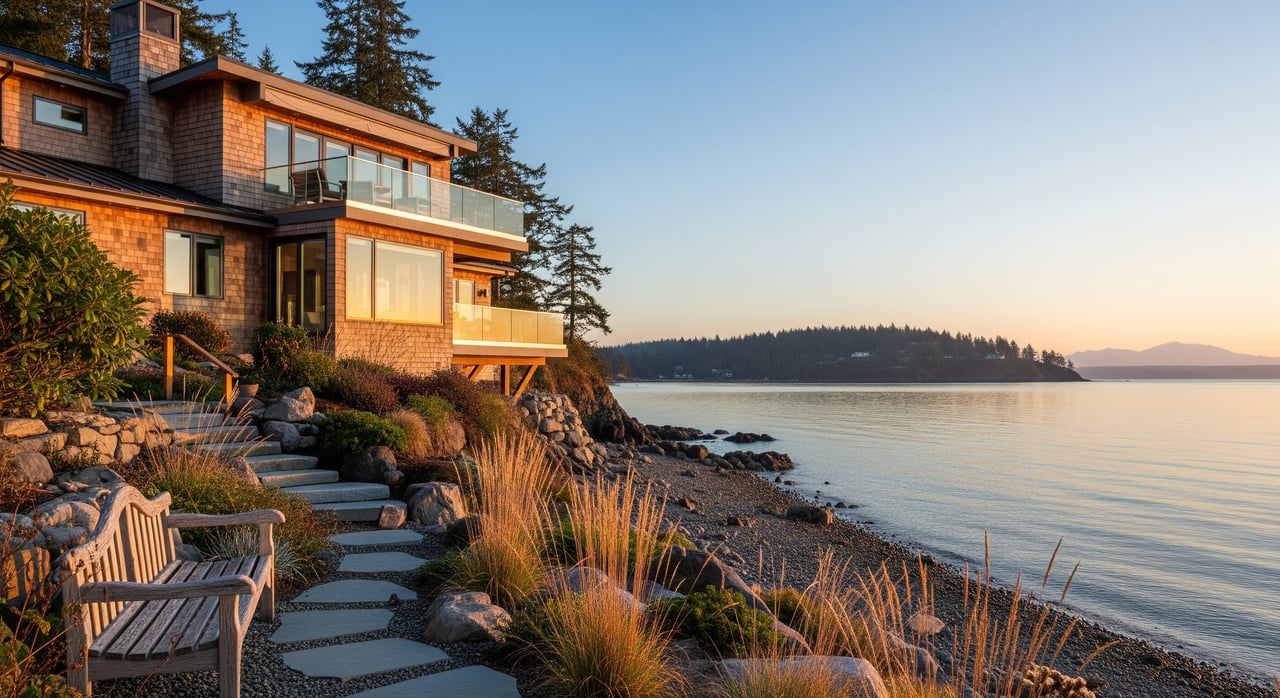
Imagine stepping out your door to a quiet waterfront, a friendly main street, and a packed calendar of arts events. If you are considering a move or a second home on Whidbey Island, Langley in ZIP 98260 offers a village lifestyle that feels both peaceful and connected. You may be weighing ferry logistics, internet speeds, healthcare, or where to find groceries. In this guide, you will learn what day‑to‑day life looks like in Langley, how it compares to other island towns, and what to check before you buy. Let’s dive in.
Langley at a glance
Langley is a small waterfront city on the south end of Whidbey Island with about 1,000 residents. The heart of town is compact and walkable, with a marina, galleries, cafés, and boutique shops clustered near the water. The pace is calm most of the year, with a clear uptick in visitors and second‑home activity during summer.
You will meet a mix of retirees, artists, small‑business owners, remote workers, and weekenders. If you want a village feel with coastal views and a strong arts scene, Langley stands out. If you want larger shopping hubs and big‑box stores, you will look toward Oak Harbor or the mainland.
Daily life and essentials
Housing and neighborhoods
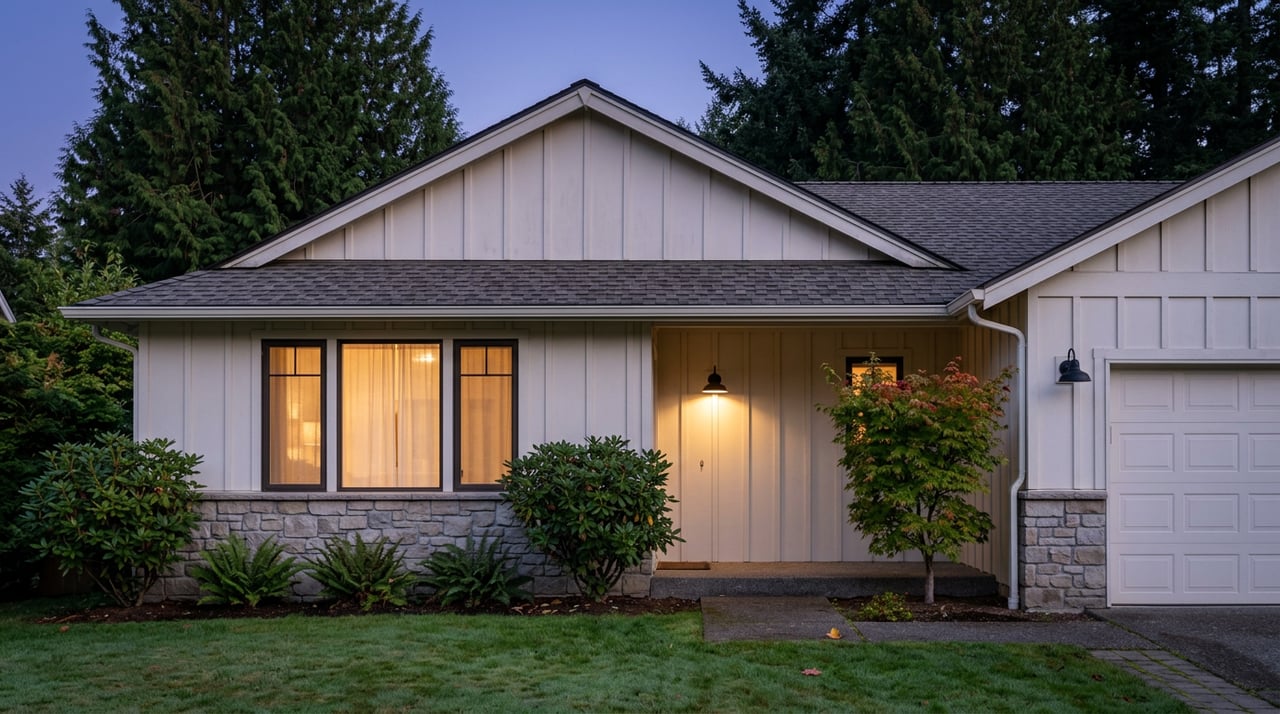
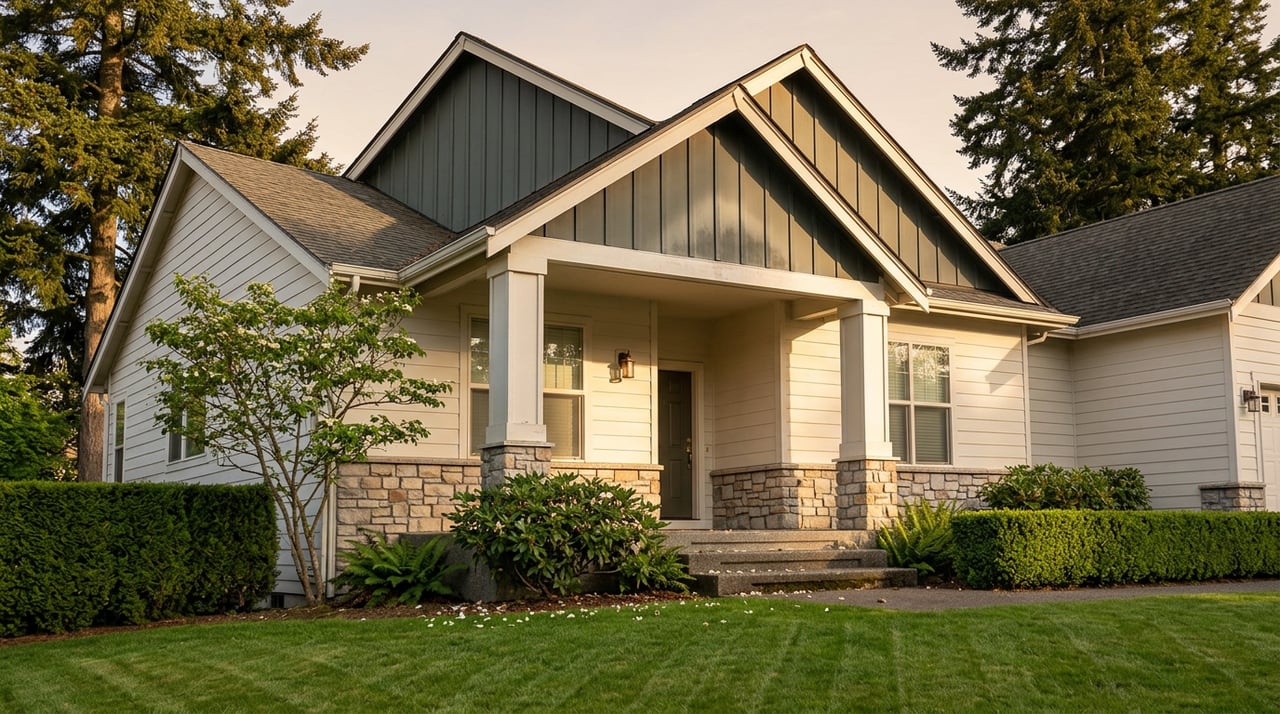
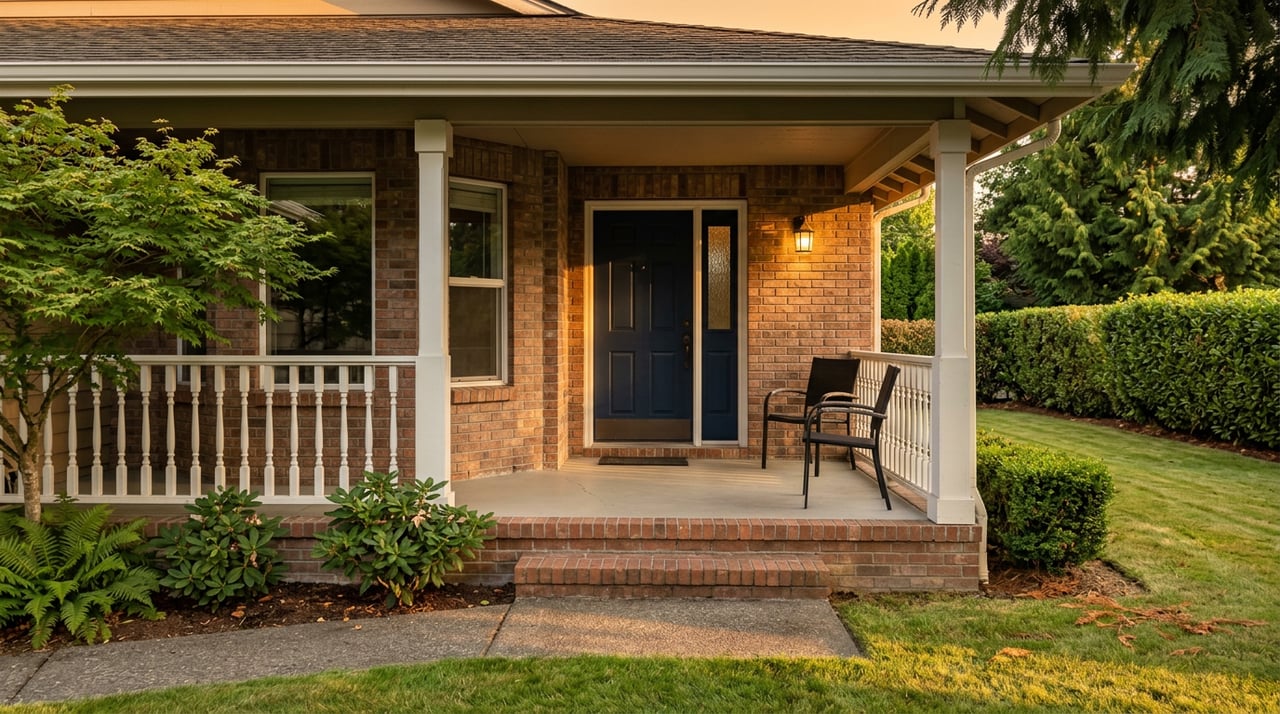
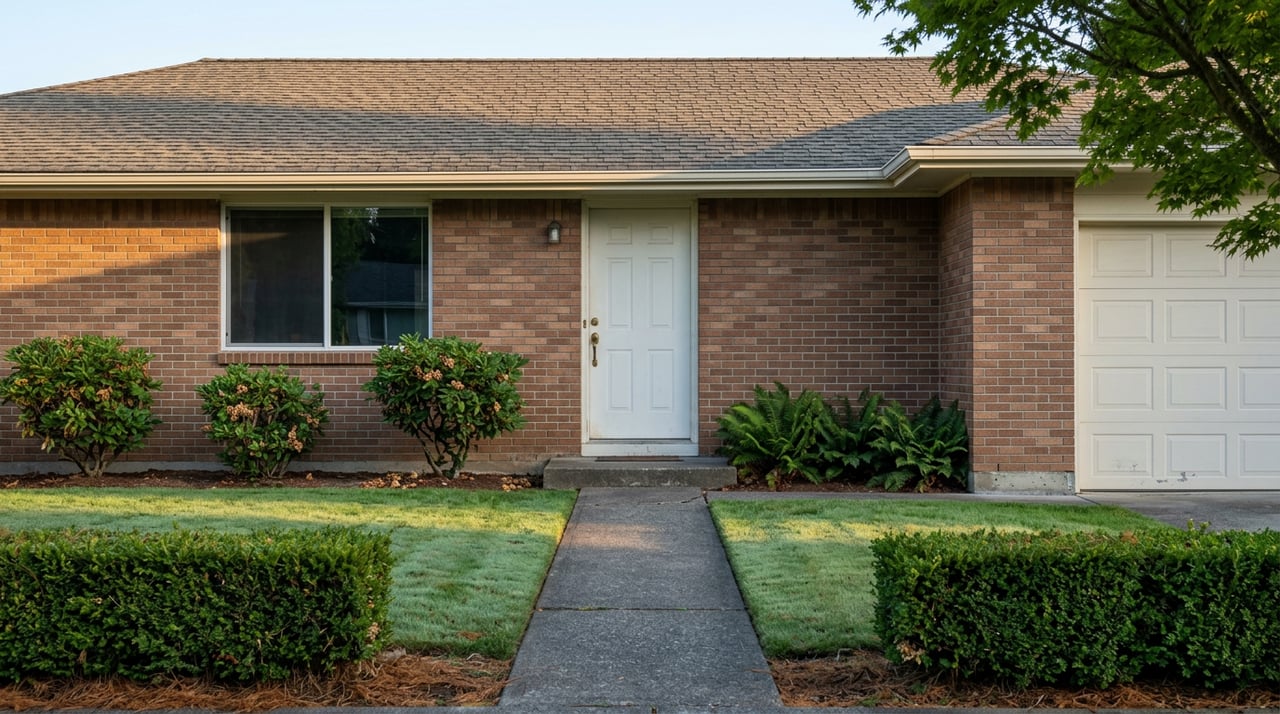
You will find historic cottages, renovated waterfront homes, small modern builds, and nearby rural acreage. Many homes are older and full of character. Properties with views or shoreline access command premiums and often attract second‑home buyers.
Pricing and inventory shift with the broader Puget Sound market. Because Langley is walkable and on the water, it typically carries premium pricing relative to more interior neighborhoods. If you plan to build or buy land, know that parcels outside town often rely on wells and septic. Site suitability, permitting, and shoreline rules can shape what is possible.
Utilities and internet
In‑town homes commonly connect to municipal water and sewer, while rural properties use wells and septic systems. Always confirm what serves a specific address. Broadband quality varies by street and provider, and cellular reception is better downtown than in some surrounding hills and valleys. If you work from home, verify actual internet speeds and mobile coverage during your inspection period.
Schools and education
South Whidbey School District serves the south end of the island, including Langley. Because Langley is small, some programs and secondary services are located in neighboring communities. Review district resources and state education reports to understand offerings and performance for your address.
Healthcare and emergency services
There is no full‑service hospital in Langley. Residents commonly use clinics and urgent care on the island and travel to larger hospitals on Whidbey or the mainland for specialized or emergency care. Ask your agent to help you map out travel times and options for your specific location.
Shopping and services
Downtown Langley offers boutique shopping, cafés, restaurants, wine shops, and galleries. For broad grocery choices, medical specialists, and larger retail, locals drive to other island towns or the mainland. Summer brings more visitors, which boosts energy and wait times for dining and parking.
Getting around and commuting
Ferries and driving
Most south‑end commuters use the Clinton to Mukilteo ferry to reach the Seattle metro area. Plan for a variable commute that includes the drive to the terminal, potential wait times, the crossing, and the mainland drive to your destination. Schedules and queues change with the season, weather, and events, so build a buffer into your routine.
Island roads are mostly two lanes and scenic. Drive times lengthen during peak tourist periods. If you split time between a primary home on the mainland and a second home in Langley, consider how your schedule lines up with typical ferry demand.
Public transit and airports
Island Transit connects Langley with other island communities and ferry terminals. For air travel, you will use major mainland airports, with SeaTac the most common option. General aviation is available elsewhere on the island and around Puget Sound.
Arts, dining, and events
Cultural hub energy
Langley is one of Whidbey’s cultural centers. You will find galleries, fine‑craft shops, theater and music performances, and seasonal arts events throughout the year. It is easy to fill your calendar with gallery walks, farmers markets, and performances.
Local food and drink
Downtown dining skews local and independent. Expect small restaurants, cafés, bakeries, wine shops, and artisanal foods. Hours and menus can shift seasonally, with expanded offerings in summer.
Walkable waterfront core
One of Langley’s defining features is how easy it is to park once and wander. The main street and waterfront promenade make short work of errands, coffee breaks, and evening strolls. If you value a car‑light lifestyle, Langley’s scale is a daily advantage.
Outdoor recreation and climate
Langley’s shoreline and marina set the stage for kayaking, boating, beachcombing, and bird and whale watching when conditions allow. Across Whidbey, you will find hiking trails, bluff walks, and scenic parks within a drive. Popular destinations include island parks and reserves, with major regional parks to the north suitable for day trips.
The climate is Pacific Northwest maritime. Winters are cool and wet, and summers are mild and relatively dry. If you love outdoor time, the shoulder seasons are ideal for quiet beach walks and low‑crowd hikes.
How Langley compares nearby
- Langley: Walkable village, arts and boutique shopping, waterfront focus, more visitors in summer.
- Freeland and Greenbank: More everyday services and grocery options, more conventional subdivisions.
- Coupeville: Historic center with strong agricultural heritage and access to notable reserves and trails.
- Oak Harbor: Largest city on Whidbey with the broadest shopping and services, plus a significant military presence.
If you want curated small‑town energy and you prioritize walking, Langley excels. If you need larger retail and a wide range of in‑town services, Oak Harbor may fit better.
Who Langley fits best
Langley can be a great match if you want:
- A walkable coastal village with a lively arts scene.
- A second home or retirement base that balances quiet with activity.
- Remote work with a focus on lifestyle, views, and community.
It may be less convenient if you need:
- Immediate access to multiple big‑box stores and specialty medical centers without ferry travel.
- Island‑based large‑scale employment options outside Oak Harbor.
Smart buyer checklist
Before you fall for a view, confirm the practicals. Use this list to guide due diligence:
- Water and sewer. Verify public connections vs. private well and septic. Review septic permits, inspection records, and well logs for rural parcels.
- Internet and cellular. Test actual broadband speeds at the address and review carrier coverage. Ask sellers for recent utility and internet details.
- Shoreline and flood rules. For waterfront or near‑coast homes, check shoreline setbacks, critical areas, and potential insurance requirements.
- Zoning and permits. Confirm allowable uses, ADU rules, and any development limits with city or county planning.
- Short‑term rentals. If you plan to rent seasonally, review current licensing, taxes, and restrictions for Langley and Island County.
- Insurance and utilities. Ask your insurer for quotes that account for coastal exposure and confirm all utilities that serve the property.
- Seasonal logistics. Plan for winterization, caretaking, and local vendors if you will not be on island year‑round.
Cost of living and taxes
Washington has no personal income tax. Residents pay sales and property taxes that vary by location and levies. On an island, some living costs trend higher due to logistics and seasonal demand. Your agent can help you estimate property‑specific taxes and typical monthly costs so you can budget with confidence.
Tips for second‑home ownership
- Choose location by ferry rhythm. If your stays are short, proximity to the Clinton ferry can save hours over a year.
- Design for low‑maintenance. Durable finishes, smart thermostats, and leak sensors make off‑season caretaking easier.
- Line up local help early. Schedule cleaners, landscapers, and handypersons before peak season.
- Plan storage. Lockable owner closets simplify short‑term rental changeovers.
What to expect seasonally
Summer brings longer hours, outdoor tables, busy sidewalks, and more events. You will notice more traffic and fuller ferry queues. Fall through spring is quiet, with cozy restaurants and room to wander the beaches. Many residents prefer the off‑season pace, and second‑home owners enjoy lower crowds and easier reservations.
Your next step
If Langley’s village energy speaks to you, pair the dream with the details. Confirm utilities and internet early, map your ferry routine, and right‑size your search between in‑town charm and nearby rural privacy. A local team that knows the south end can save you time and help you avoid costly surprises.
Ready to explore homes in Langley, 98260, and beyond? Reach out to Better Homes and Gardens McKenzie Realty. Let us bring you home.
FAQs
Is downtown Langley truly walkable?
- Yes. The core is compact with shops, cafés, galleries, and a waterfront promenade in easy walking distance, which supports car‑light daily routines.
What is the ferry commute like from 98260?
- Most commuters use the Clinton to Mukilteo route. Total time varies with the drive to the terminal, wait times, the crossing, and the mainland drive to your destination.
Are hospitals close to Langley?
- There is no full‑service hospital in Langley. Residents use island clinics and travel to larger island or mainland hospitals for emergency and specialized care.
Is internet reliable for remote work in Langley?
- Coverage varies by provider and street. Confirm address‑specific speeds and test during home tours, since downtown typically has better service than some rural areas.
Can I run a short‑term rental in Langley?
- It depends on current city and county rules. Confirm permits, business licensing, occupancy taxes, and any restrictions before you buy.
What utilities should I verify before buying near Langley?
- Confirm water source and sewer or septic, power provider, broadband options and speeds, and cellular coverage. Review septic permits and well logs for rural lots.