Looking for a place where waterfront views, historic streets, and everyday convenience all come together? Coupeville offers a lifestyle that feels distinctly different from a typical beach town. If you are considering a move, a second home, or simply want to understand what daily life is like in the historic heart of Whidbey Island, this guide will walk you through what makes the Coupeville waterfront and historic district so appealing. Let’s dive in.
Why Coupeville Feels Different
Coupeville sits on Penn Cove and is the only town located within Ebey’s Landing National Historical Reserve. That setting gives it a strong sense of place, with maritime views and a preserved small-town feel that stands out on Whidbey Island.
Instead of feeling like a heavily built resort area, Coupeville feels more like a harbor town shaped by history, shoreline access, and a slower daily rhythm. Town planning documents also emphasize walkable neighborhoods, parks, trails, beaches, and a low-density character that helps the area stay open and scenic.
Waterfront Living in Historic Coupeville
The waterfront is one of Coupeville’s defining features, but it is not just about views. The shoreline along Front Street serves as a focal point for town life, with the wharf, nearby public spaces, and open access helping the area feel connected rather than crowded.
Coupeville’s shoreline is only about 2.4 miles long, which helps keep the waterfront experience intimate and easy to understand. The boat launch and town park at either end of downtown also help preserve an open waterfront feel instead of a wall of private development.
What the waterfront feels like day to day
In practical terms, the waterfront lifestyle here is about simple routines. You can walk by the cove, spend time on the wharf, look for marine life, and enjoy the changing light over the water and surrounding landscape.
That creates a setting that often appeals to buyers who want scenery without giving up small-town accessibility. It also suits second-home buyers and those looking for a quieter pace tied to outdoor access and local character.
Walkability and the Downtown Routine
Historic Coupeville is unusually compact, which is a major part of its appeal. National Park Service materials describe the area as walkable and easy to navigate on foot, by wheelchair, scooter, or vehicle.
The downtown core centers around Front Street and Main Street, where the layout supports a true pedestrian district. Instead of needing to drive between errands, shops, and waterfront stops, you can often park once and enjoy the area on foot.
What you will find downtown
Front Street includes the classic mix that gives downtown Coupeville its personality. Restaurants, antique shops, galleries, and gift stores line the corridor, creating a setting that feels active without feeling oversized.
The town’s visitor-oriented layout also adds convenience. Public parking, public restrooms, bus stops, the library, the visitor center, and public beach access are clustered within the core, which makes everyday outings and weekend visits easier to manage.
Why walkability matters for lifestyle
Walkability changes how a place feels over time. In Coupeville, it supports a more relaxed daily rhythm where grabbing coffee, meeting friends, visiting the waterfront, or browsing local businesses can all happen within a short distance.
For many buyers, that is a major quality-of-life feature. It can make the historic district especially appealing if you value a neighborhood where the setting encourages you to slow down and be outside more often.
Local Events Shape Community Life
Coupeville’s event calendar adds another layer to the lifestyle. Official town communications reference events such as the Chocolate Walk, Mussel Fest, Witches Walk from the Wharf, and Practical Magic Halloweekend.
These are not just isolated festival days. They reflect how the waterfront, wharf, and historic business district work together as shared community spaces throughout the year.
A seasonal rhythm with local character
Because the historic core is compact, events feel woven into daily life rather than set apart from it. The town’s notices also point to downtown visitor facilities that help support pedestrian activity and event traffic in the center of town.
That gives Coupeville a seasonal rhythm that many people find memorable. You get a town that stays grounded in its local identity while still offering enough activity to keep the calendar interesting.
Outdoor Access Beyond Downtown
One of the biggest advantages of living in Coupeville is how easily the town connects to outdoor recreation. Ebey’s Landing National Historical Reserve is fee-free, and the larger reserve area can be explored by car, bicycle, or on foot.
That means your daily lifestyle can extend well beyond the downtown waterfront. Trails, beaches, historic landscapes, and shoreline views are all part of the broader experience of living here.
Parks and historic sites nearby
Fort Casey Historical State Park is in Coupeville and features military batteries, a 1903 lighthouse, beach exploration, fishing, and hiking. Fort Ebey is also known for hiking and mountain biking trails, while the Ebey’s Landing area offers a culturally significant shoreline-and-bluff landscape with deep Indigenous history.
For buyers who want recreation built into their routine, this regional access is a real strength. You are not choosing between small-town living and outdoor opportunity. In Coupeville, those two things work together.
Ferry access and regional mobility
Coupeville also benefits from the Port Townsend/Coupeville ferry route. Washington State Ferries notes that vehicle reservations are available and recommended, and route materials cite an approximate 30-minute crossing time.
That route can be an important lifestyle factor if you want another option for regional travel. It helps connect Coupeville to the broader Puget Sound area while still allowing the town to maintain its quieter island setting.
Home Character in the Historic District
If you are drawn to architecture and neighborhood character, Coupeville has a lot to offer. The historic core includes preserved 19th-century false-front commercial buildings along Front Street, the historic wharf and blockhouse, and Victorian residential architecture.
The broader Central Whidbey Historic District includes more than 400 registered buildings. That mix of commercial, residential, and agricultural structures helps explain why the town feels layered and visually distinctive.
What kinds of homes you may see
Coupeville’s own planning documents describe a range of housing types and eras. In and near the center of town, early homes clustered on smaller lots, while other areas developed with more suburban patterns over time.
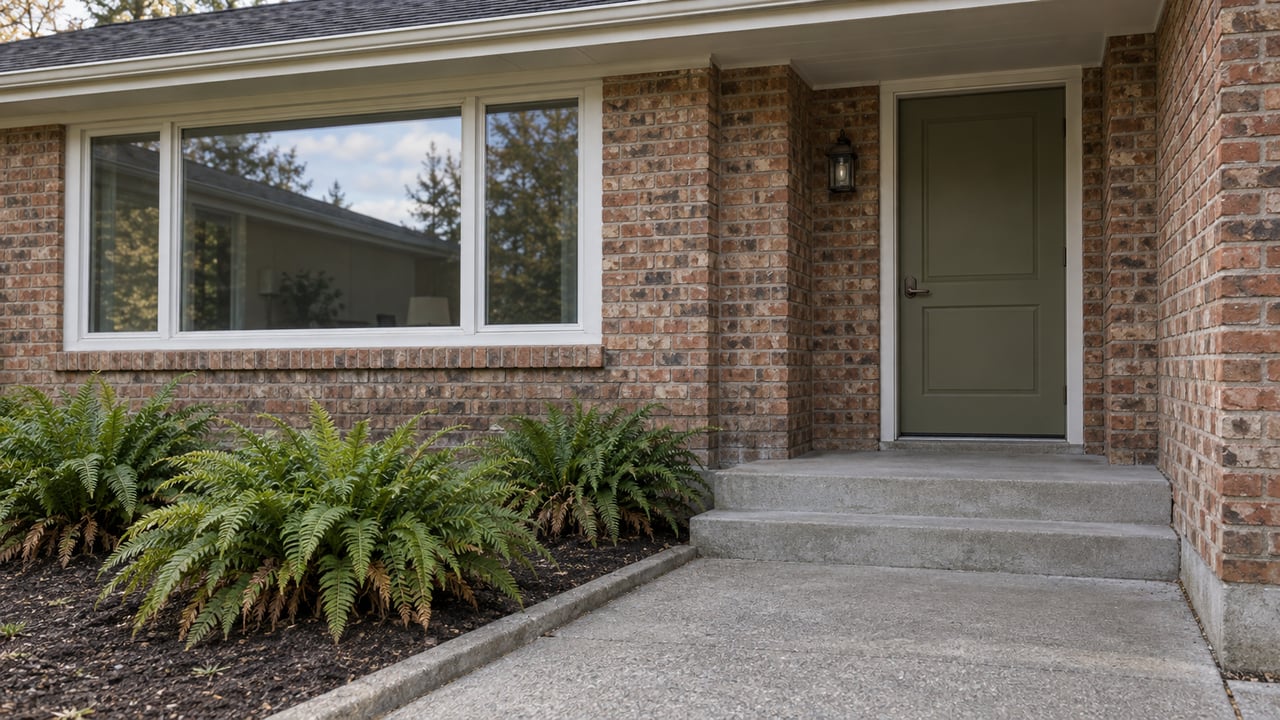
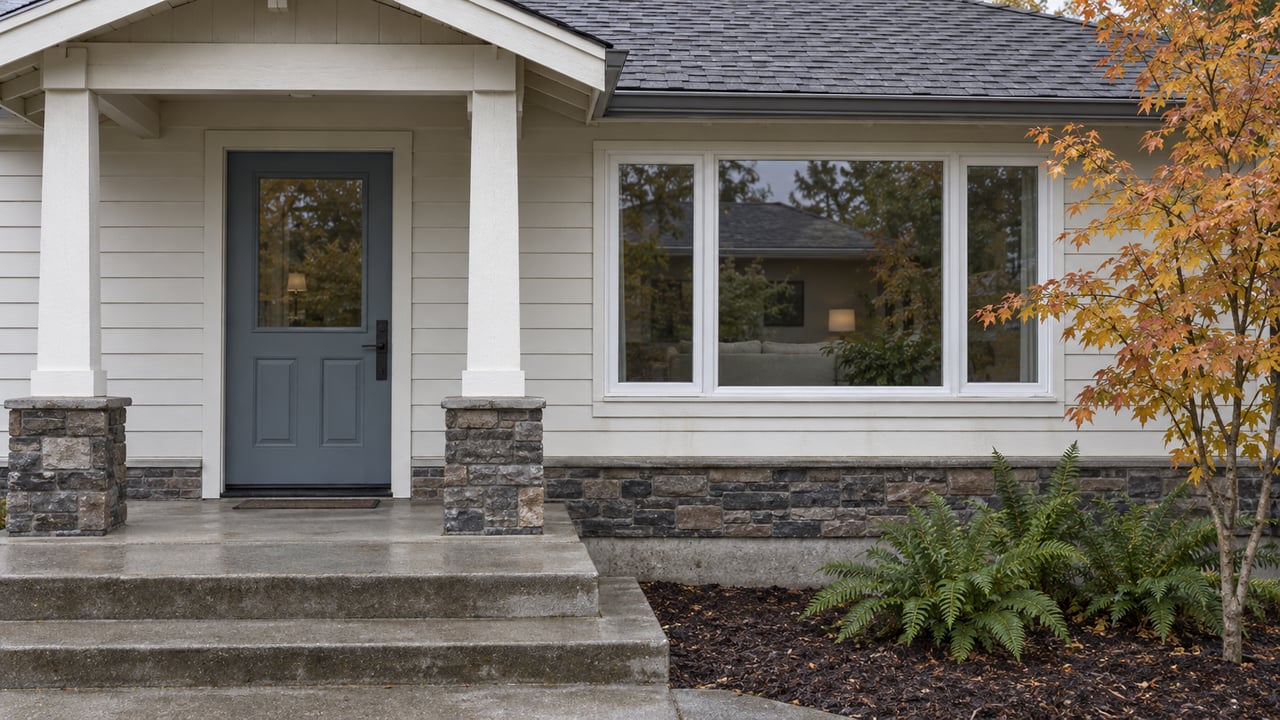
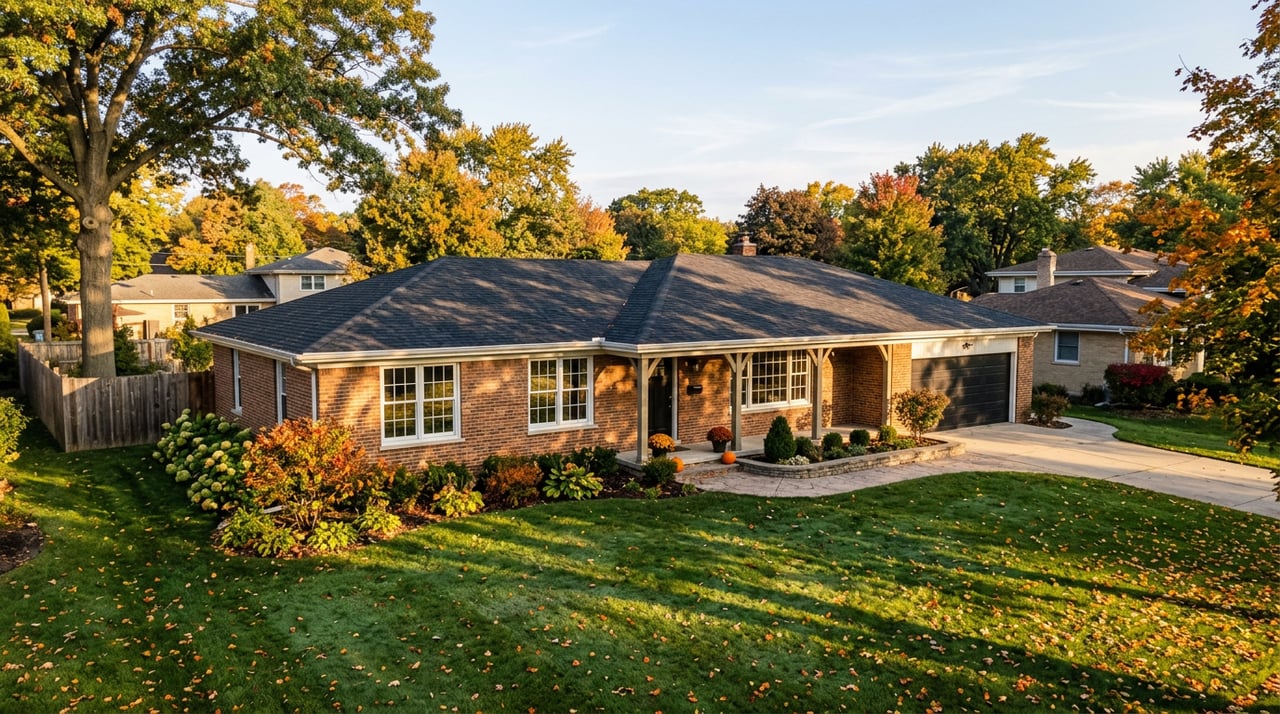
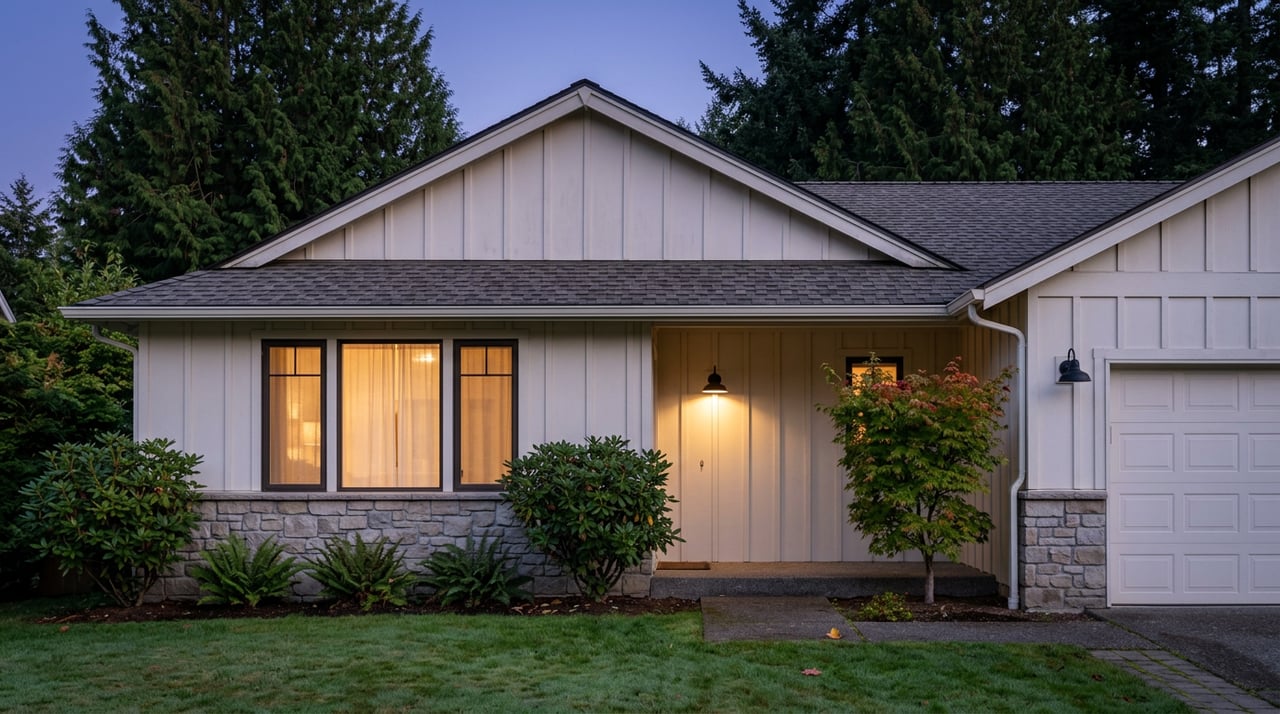
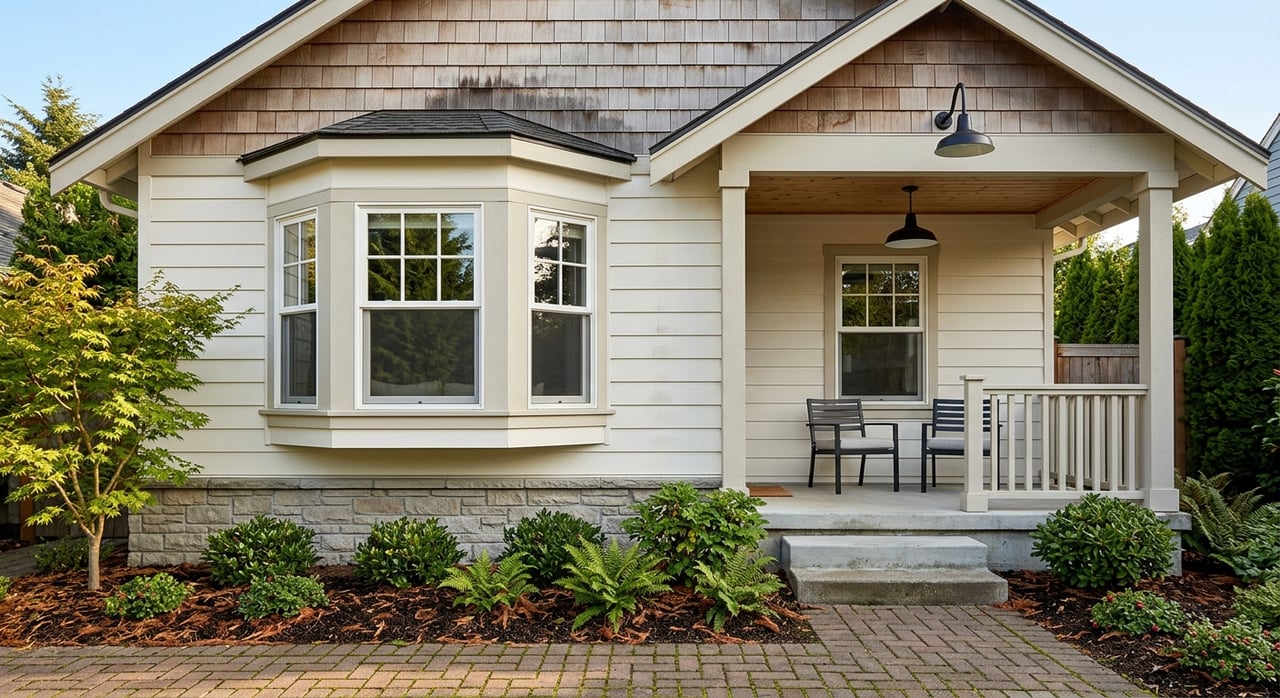
Depending on the location, you may find historic cottages, older single-family homes, cottages from the 1920s and 1930s, later ranch houses, some modern condos, and a mix of newer infill or view-oriented homes. That variety gives buyers several ways to match lifestyle goals with home style.
Why preservation matters to buyers
The preserved look of Coupeville is not accidental. The Historic Limited Commercial district is intended to support water-oriented uses, small-scale commercial uses, mixed use, adaptive reuse, and a pedestrian-scale environment.
The Historic Preservation Commission also reviews projects within Ebey’s Reserve through certificates of appropriateness. For buyers, that can be important because it helps protect the visual character that makes the area so appealing in the first place.
Is Coupeville Right for Your Lifestyle?
Coupeville tends to appeal to people who want more than just a house. It often attracts buyers looking for waterfront scenery, walkability, historic surroundings, and easy access to parks, trails, and regional destinations.
It can be a strong fit if you are searching for a second home, a full-time residence with character, or a place where your everyday routine includes the water and the outdoors. It may also appeal if you value a community setting that feels established, human-scaled, and closely tied to local history.
If you are exploring homes in Coupeville, it helps to understand how each area fits a slightly different lifestyle. The historic core offers the most walkable experience, while areas east and west of downtown become more residential and then more rural in feel.
What to Keep in Mind When House Hunting
When you start comparing homes in Coupeville, it helps to think beyond square footage. In a place like this, location within town can shape your daily experience just as much as the home itself.
Here are a few smart questions to keep in mind:
- Do you want to walk easily to Front Street, the wharf, and local dining?
- Are you looking for a historic home style, a cottage feel, or something more updated?
- How important are water views, beach access, or proximity to trails and parks?
- Would ferry access matter for your routine or second-home use?
- Are you comfortable with the extra considerations that can come with homes in historically sensitive areas?
A local guide can help you sort through those tradeoffs and focus on the neighborhoods and property types that best match your goals.
Coupeville offers a lifestyle that is hard to duplicate anywhere else on Whidbey Island. If you want help exploring homes, comparing neighborhoods, or understanding how the waterfront and historic district fit your plans, Craig McKenzie is here to help you move with confidence.
FAQs
What is daily life like in Coupeville’s historic district?
- Daily life in Coupeville’s historic district centers on a compact, walkable waterfront area with restaurants, shops, galleries, public amenities, and easy access to the wharf and shoreline.
What kinds of homes are common in Coupeville, WA 98239?
- In Coupeville, you may find historic cottages, older single-family homes, 1920s and 1930s cottages, ranch houses, some modern condos, and a mix of newer infill or view-oriented homes.
How walkable is downtown Coupeville on Whidbey Island?
- Downtown Coupeville is notably walkable, with Front Street and Main Street forming a compact core where dining, shopping, parking, public restrooms, transit stops, and beach access are close together.
What outdoor recreation is near Coupeville waterfront?
- Near Coupeville waterfront, you have access to Ebey’s Landing National Historical Reserve, Fort Casey Historical State Park, shoreline areas, beaches, hiking, fishing, and opportunities to explore historic sites.
Does Coupeville have ferry access for regional travel?
- Yes, Coupeville is served by the Port Townsend/Coupeville ferry route, and Washington State Ferries notes that reservations are available and recommended for vehicles on that route.
Why do buyers choose historic Coupeville over other waterfront areas?
- Many buyers are drawn to historic Coupeville for its preserved small-town setting, waterfront views, walkable downtown, local events, and access to parks, trails, and regional travel options.