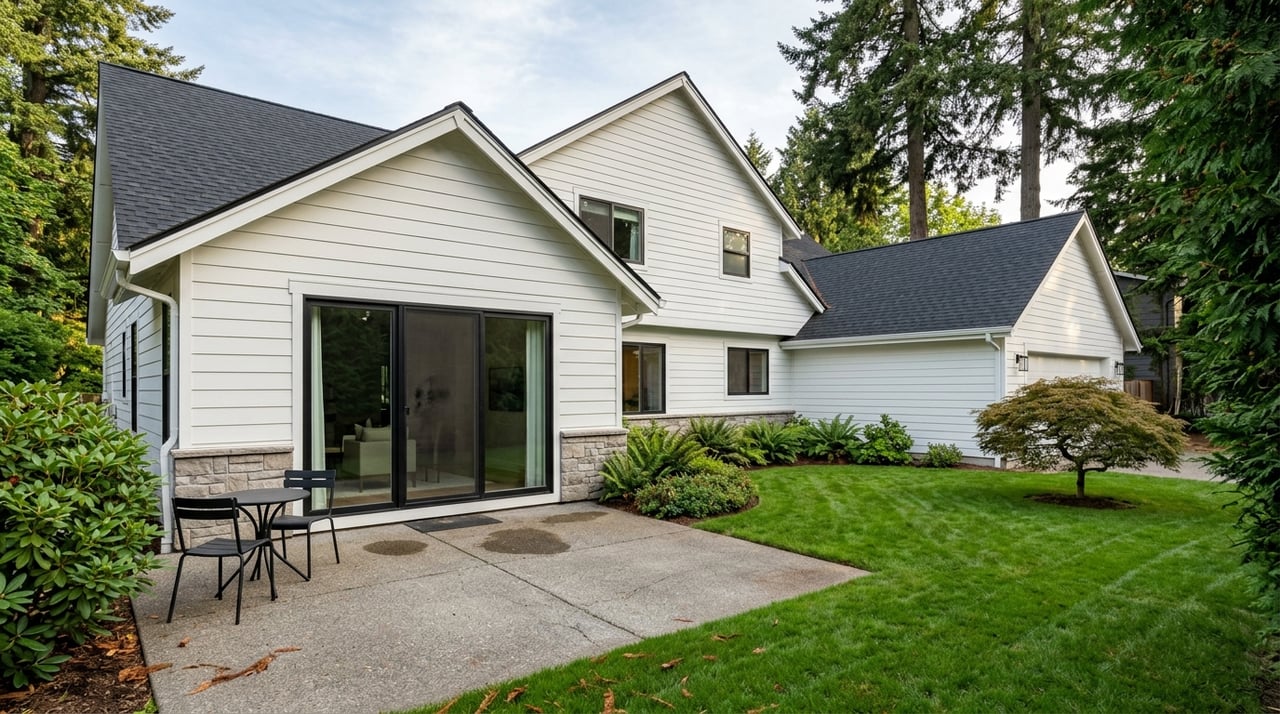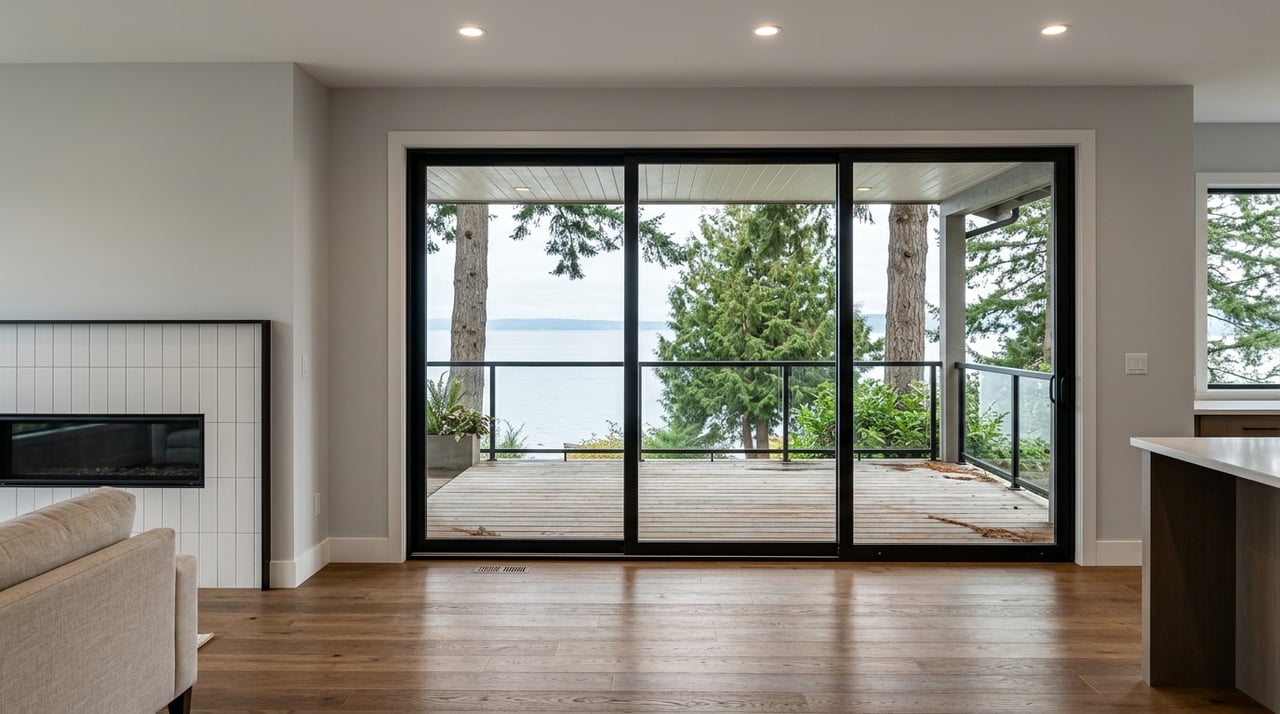
Dreaming about a home with Saratoga Passage in view? In Langley, that dream can look very different from one property to the next. A bluff-top home, an in-town view property, and a parcel near the shoreline may all offer water scenery, but they can come with very different rules, risks, and long-term costs. This guide will help you understand what to look for, what questions to ask, and how to shop smarter in the 98260 market. Let’s dive in.
Why Langley draws view-home buyers
Langley stands out for its bluff-top setting, walkable downtown core, and broad views across the water toward Camano Island. State tourism materials describe the area as a scenic, waterfront-connected destination, while the city’s planning documents emphasize its small-town scale, pedestrian orientation, shoreline views, and marine access.
For you as a buyer, that means the appeal is not only the house itself. It is also the setting. In Langley, many buyers are balancing scenery, access to town, privacy, and the realities of shoreline regulation.
Know the difference between waterfront and view homes
In Langley, “waterfront” and “view home” are not the same thing. A property may have a stunning water view without actually extending to the shoreline. Another parcel may fall within shoreline jurisdiction even if the usable part of the lot feels well back from the water.
Langley’s shoreline program covers Puget Sound shorelines within the city, including upland areas extending 200 feet landward from the ordinary high-water mark, along with associated wetlands. Island County also regulates marine shorelines in county areas and extends shoreline jurisdiction 200 feet into shorelands.
That is why the most useful question is often not, “Does it have a view?” It is, “What part of this property is actually regulated, and how does that affect what I can do with it?”
What “waterfront” may mean in a listing
If a listing says “waterfront,” verify whether the parcel actually touches the ordinary high-water mark or tidelands. Do not assume that marketing language means direct, uncomplicated shoreline ownership or use.
A lot can appear large on paper while having a smaller practical building area because shoreline jurisdiction, setbacks, buffers, or critical areas reduce what is usable. That matters whether you plan to remodel, add outdoor features, or simply want to understand the property’s long-term flexibility.
What “view home” may mean in Langley
A “view home” or “water view” property may offer an easier ownership experience than direct waterfront, but you still need to ask what supports that view. In Langley’s shoreline rules, visual access is important, but vegetation generally should not be excessively removed just to create or widen views.
On marine bluffs, natural vegetation is generally expected to be limbed rather than removed. So if a view depends on current vegetation management, ask what has been done, what is allowed, and whether the view could change over time.
Common Langley property types
Langley buyers usually compare a few distinct categories of homes and homesites. Each one can fit a different lifestyle and comfort level.
Bluff-top waterfront and bluff-top view homes
Many residential properties in Langley sit on high coastal bluffs. That often creates dramatic views, but it also brings real slope and erosion questions.
Washington Ecology advises buyers to review setbacks, drainage, septic placement, impervious-surface limits, prior slide history, and slope-stability information before buying a bluff property. Ecology also warns that a lack of recent slides does not automatically mean a bluff is safe.
If you are considering a bluff-top home, a beautiful setting should never replace a careful site review. In this part of the market, safety and long-term site stability matter just as much as the view line from the deck.
In-town view homes
Some buyers want water views and easy access to Langley’s compact downtown. In-town homes can offer that blend, with nearby access to parks, shops, galleries, cafés, and waterfront areas.
The tradeoff is often lot size, separation from neighbors, or privacy compared with more removed settings. If your priority is walkability and convenience, an in-town view home may be a strong fit even if it is not direct waterfront.
Rural and elevated view settings
Some properties outside the immediate shoreline focus more on territorial views, trees, privacy, or a broader island setting. Buyers sometimes compare these homes or parcels with direct waterfront options when deciding how much maintenance, regulation, or shoreline complexity they want to take on.
That can be a smart comparison. In some cases, a non-waterfront view property offers the lifestyle you want with fewer shoreline-specific issues to manage.
Read listing language carefully
When you shop Langley waterfront and view homes, listing terms can sound straightforward even when the details are not. A little extra scrutiny can save you time and protect your budget.
Terms that deserve a closer look
- Bluff-top, high-bank, or high coastal bluff: Ask about erosion history, drainage patterns, and any geotechnical review.
- Beach access, dock, pier, mooring buoy, or shoreline improvements: These are regulated shoreline activities in Island County and may require review or approval.
- Bulkhead, seawall, or riprap: Ask whether the feature exists, whether it was approved, and how future repair or replacement may be handled.
- Views from street ends or rights-of-way: A view shown in photos may include public visual access rather than private frontage or privately controlled view corridors.
These details do not automatically make a property a bad choice. They simply mean you should confirm the facts before you fall in love with the marketing.
Due diligence questions that matter most
In Langley, strong buyer due diligence starts early. Waterfront and view properties can involve shoreline jurisdiction, critical areas, geologic hazards, septic questions, and future permit limits.
Start with jurisdiction and shoreline designation
First, confirm whether the property is inside Langley city limits or in unincorporated Island County. Then determine whether it is in shoreline jurisdiction and what shoreline environment designation applies.
Island County directs buyers to match a parcel to the applicable permit table and setback or buffer standards. Langley’s shoreline maps are considered guidance and should be confirmed with field investigation or on-site survey work when needed.
Ask what reports already exist
Site-specific reports can tell you far more than listing remarks. Depending on the site, Island County notes that shoreline applications may require reports such as:
- Geotechnical reports for steep or unstable slopes
- Wetland reports or biological site assessments
- Geocoastal reports for shoreline stabilization
- Archaeological reports where cultural resources may be present
Within Langley city limits, a critical area report may also be required if impacts could occur. If reports already exist, review them early so you understand what is known before you move deeper into the transaction.
Check flood and geologic hazards
Not every view lot is simple. Langley’s critical-areas code identifies flood hazard areas using FEMA flood maps and also addresses geologically hazardous areas that may be susceptible to erosion, sliding, earthquakes, or other geologic events.
That makes hazard review especially important for bluff properties and low-lying waterfront sites. A parcel that feels ideal from the street may need a very different level of review than a typical inland home.
Do not overlook septic and water
For more rural or island properties, septic and drinking water are major parts of the picture. Island County Public Health handles on-site septic systems and drinking-water permitting, and the county notes that wells should be sited carefully, including strong setbacks from shorelines to help reduce seawater intrusion concerns.
The county also requires approved potable water sources for building permits. If you are buying land or a home with older systems, make sure these questions are answered before you assume future plans are straightforward.
Understand shoreline stabilization issues
One of the biggest long-term ownership questions for some Langley waterfront homes is shoreline stabilization. Hard armoring such as bulkheads, revetments, and seawalls can affect both the property and the shoreline environment.
Washington Ecology encourages soft shoreline stabilization where feasible, and Island County Shore Friendly materials explain that hard armoring can be harmful to the marine environment and is not fully effective. If a property already has armoring, ask how old it is, what approvals apply, and what future work might require additional review.
A local resource worth knowing
If erosion or restoration is part of your conversation, Island County’s Shore Friendly program offers free, non-regulatory site visits with shoreline experts. That can be helpful if you want a clearer picture of site conditions and possible approaches before making long-term decisions.
Smart questions to ask before you buy
If you want to simplify your next showing or property tour, keep this short list handy:
- Where is the ordinary high-water mark?
- Is the parcel inside shoreline jurisdiction?
- What shoreline designation applies?
- Are there existing geotechnical, wetland, or critical area reports?
- Has there been prior erosion, slide activity, or drainage work?
- What features are privately owned versus visible from public access areas?
- Are shoreline improvements approved and transferable?
- How do septic, water, setbacks, or hazard areas affect future plans?
These questions help you move past the lifestyle story and into the real-world ownership picture.
The right fit depends on your goals
For some buyers, direct waterfront in Langley is worth every layer of complexity. For others, an in-town or elevated view home offers the best mix of scenery, convenience, and peace of mind.
The key is matching the property to your priorities. If you know how much regulation, maintenance, and site review you are comfortable with, you can focus on homes that support your lifestyle instead of stretching into a property that creates surprises later.
When you are comparing Langley waterfront and view homes, local context matters. If you want a clear, practical read on property type, shoreline considerations, and what to ask before you make a move, connect with Craig McKenzie for informed, service-first guidance on Whidbey Island.
FAQs
What makes a Langley home a waterfront property?
- A Langley property is generally considered waterfront when the parcel actually reaches the ordinary high-water mark or tidelands, but you should verify boundaries and shoreline jurisdiction rather than rely only on listing language.
What should buyers ask about Langley bluff-top homes?
- Buyers should ask about erosion history, setbacks, drainage, slope stability, septic placement, and whether any geotechnical reports or related studies already exist.
What does shoreline jurisdiction mean for Langley buyers?
- Shoreline jurisdiction can extend 200 feet landward from the ordinary high-water mark and may affect setbacks, permits, usable area, and future changes to the property.
Are shoreline features on Langley properties always transferable?
- No. Features such as docks, piers, mooring buoys, and some shoreline improvements may be regulated and should be confirmed with the applicable local authority before you assume they can be used, maintained, or replaced without conditions.
Why do septic and water questions matter for Langley view properties?
- Septic and potable water approvals can affect building permits, site usability, and future improvements, especially on rural or shoreline-influenced parcels.
Is a Langley view home easier to own than direct waterfront?
- Sometimes, but not always. A view home may involve fewer shoreline issues than direct waterfront, yet vegetation rules, hazard areas, and site-specific constraints can still shape what ownership looks like.