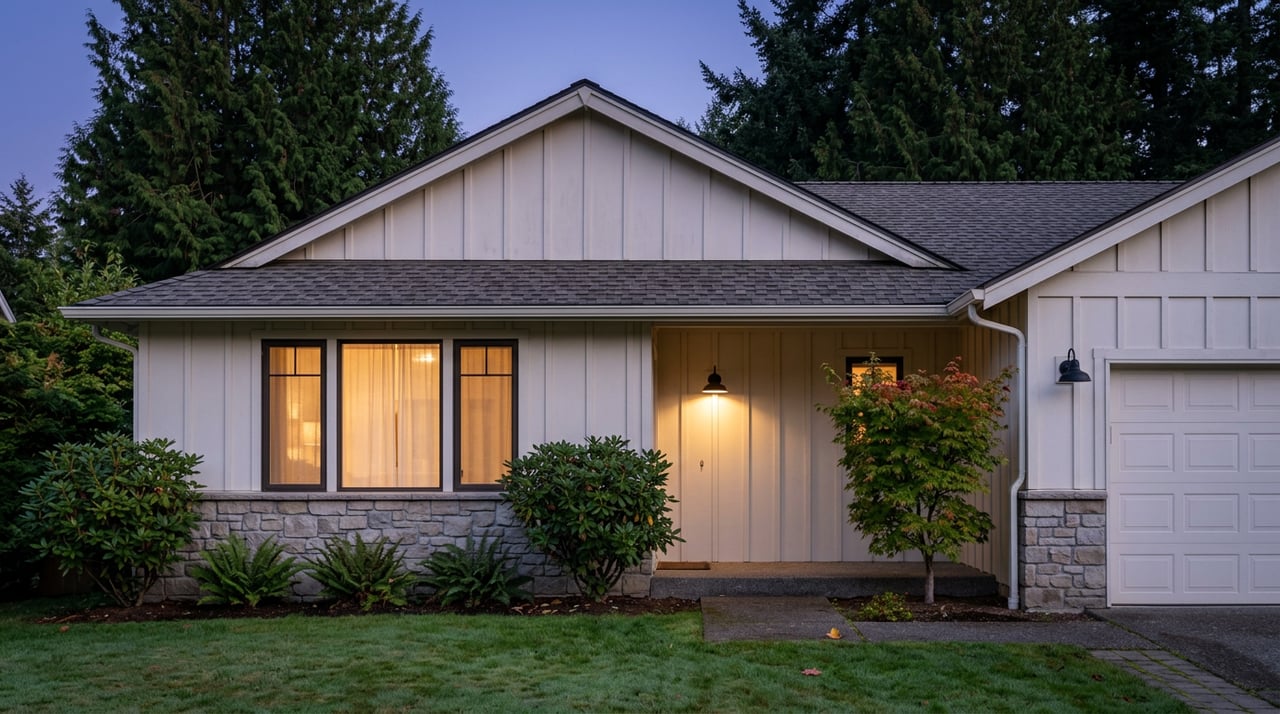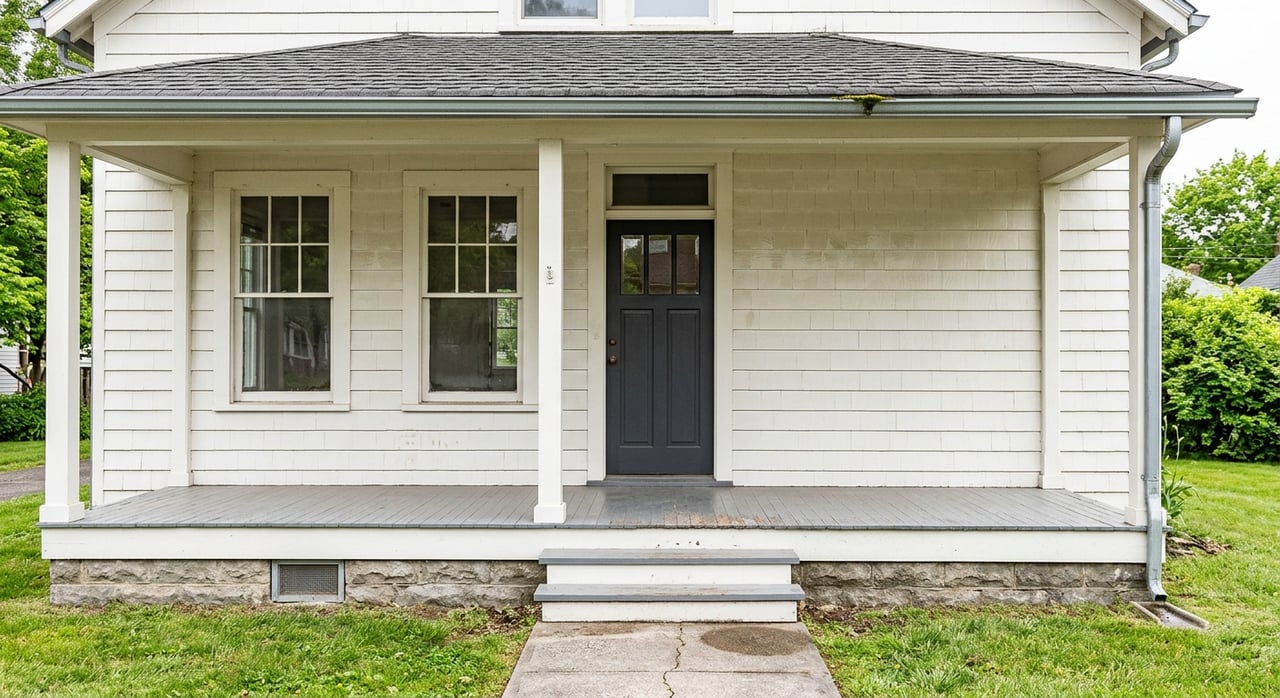
Thinking about buying a historic home in Coupeville? It can be an exciting way to own a piece of Whidbey Island history, but it also comes with questions that newer homes usually do not. If you want to understand how local historic rules, maintenance needs, and approval processes could affect your purchase, this guide will help you walk in with more clarity and fewer surprises. Let’s dive in.
Why Coupeville Historic Homes Stand Out
Coupeville has a setting that is hard to duplicate. It sits within Ebey’s Landing National Historical Reserve, and the town is described by the National Park Service as the only town within the Reserve. Many of its buildings still reflect the look and feel of more than a century ago, and 32 local structures date to the Territorial Era of 1850 to 1875.
That historic character is a big part of the appeal. When you buy here, you are not just buying square footage or a view. You may also be buying into a property with recognized historic value, design expectations, and added review for certain types of exterior or site work.
What Counts as Historic in Coupeville
Not every older home is treated the same way. A useful local distinction is whether a property is considered a contributing resource in the historic district or whether it has individual historic significance.
Within the Reserve, there are more than 400 contributing structures. Coupeville’s local code describes historic significance based on factors like age, integrity, and association with history, with 50 years or older being a general benchmark unless a newer property has exceptional importance.
Before you make an offer, it helps to ask exactly how the property is classified. That answer can shape what kinds of changes may need review later.
Architectural Styles You May See
One of the most interesting things about Coupeville’s historic housing stock is that it is not all one look. The town includes a layered mix of early vernacular buildings, Victorian homes, and early 20th-century forms.
Along with 19th-century false-fronted commercial buildings in town, local historic architecture includes Victorian houses from the 1880s and 1890s, Queen Anne and Italianate ornamentation, and simpler vernacular forms. You may also see later Craftsman bungalows with multipane windows, gabled dormers, wide eaves, and exposed rafter tails.
That variety matters because original details often help define a home’s character. In Coupeville, features like wood siding, porches, roof forms, windows, and accessory structures are treated as important character-defining elements.
Why Classification Matters Before You Buy
A historic home can offer charm and long-term appeal, but classification affects more than appearance. It can influence what exterior work needs approval, what documentation you should request, and how you budget for updates.
For example, a buyer should confirm whether the home is inside the Reserve or historic district, whether it is a contributing property, and what exterior work has already been approved. You will also want to know whether original features like windows, siding, roof form, porch details, and accessory buildings are still intact.
If those answers are unclear, slow down and investigate further. Historic value and compliance history can be just as important as the home inspection.
Permits and Review to Know
In Coupeville, planning staff review design review, zoning, shoreline rules, and building inspections. The Historic Preservation Commission also plays a role in preserving the town’s historic character.
Within the Reserve, some construction projects may require review and may result in a Certificate of Appropriateness, often called a COA. That means future plans for the property should be checked early, especially if you expect to remodel, expand, or alter site features.
The Reserve is also updating its design review guidelines, but its site says the 2011 design review guidelines remain the most current during that process. Before planning work, buyers should verify which version is in effect at that time.
What Usually Does Not Trigger a COA
Ordinary repair and maintenance do not require a Certificate of Appropriateness if the work does not change the exterior design, material, or appearance. That can include routine upkeep that preserves what is already there.
This is good news for buyers who want to stay on top of maintenance. Still, the key is that the work must not change how the exterior looks or what it is made from.
What May Trigger Review
Replacement in kind for historic buildings does require COA review. New additions also need careful planning and should be set back from the primary facade while staying compatible with the existing building and surrounding streetscape.
Site work matters too. Vacant parcels should not be cleared or graded without an approved site development plan or building permit, and Reserve-related permit requirements can also include building permits, clearing and grading, work in public rights-of-way, septic, well, and road-access permits.
For many buyers, this is the biggest adjustment. In a historic area, exterior and site changes can matter almost as much as the house itself.
Inspection Priorities for Older Coupeville Homes
Historic homes reward careful ownership. According to the National Park Service, preservation depends on ongoing maintenance and repair, and regular inspections and seasonal maintenance are among the most cost-effective ways to extend a building’s life.
That means your inspection mindset should go beyond basic systems. You are also looking for signs that the home has been cared for in ways that support its age, materials, and long-term durability.
Moisture Deserves Extra Attention
Moisture is one of the biggest risks in older homes. The National Park Service notes that uncontrolled moisture is a common cause of deterioration in historic buildings and can lead to rot and structural damage.
This is especially important in the Pacific Northwest, where damp conditions can quietly affect siding, trim, foundations, crawl spaces, and wall assemblies. If the home has had insulation added in historic wall systems, ask for details, because poorly considered insulation changes can trap moisture and speed up hidden decay.
Lead Paint May Be a Factor
If the home was built before 1978, lead-based paint is more likely to be present. Federal disclosure rules apply to most pre-1978 private housing, and buyers have the right to know about known lead hazards before signing a contract.
The EPA reports that 87% of homes built before 1940 and 24% of homes built from 1960 to 1978 contain some lead-based paint. In practical terms, that means lead should be part of your due diligence if you are considering an older Coupeville property.
Seismic Work Can Be Specialized
If a historic home needs seismic upgrades, experience matters. The National Park Service notes that historic buildings can be especially vulnerable if they were built before seismic codes were adopted.
If seismic work has been done, ask for documentation. If it may be needed, look for professionals who understand both structural rehabilitation and historic preservation standards.
Red Flags to Watch in Listings
Some issues show up before you ever step inside. If you know what to look for in a listing or showing, you can spot possible concerns early and ask better questions.
Here are a few practical red flags for Coupeville historic homes:
- Unexplained exterior replacements or cladding changes
- Recent additions that sit tight to the front facade
- Signs of unapproved grading or site work
- Visible moisture damage
- Vague claims that a home was "updated" without permit or COA documentation
- Marketing language that suggests a maintenance-free exterior
That last point matters. The National Park Service is clear that there is no such thing as a maintenance-free historic building.
Smart Questions to Ask Before You Offer
A strong offer starts with strong questions. Historic homes can be wonderful purchases, but the right information helps you understand what you are really buying.
Ask questions like these before moving forward:
- Is the property inside Ebey’s Landing National Historical Reserve or the local historic district?
- Is it considered a contributing property?
- What exterior work has been approved?
- Are original windows, siding, roof form, porch features, and accessory buildings still intact?
- Has lead been tested?
- Has any seismic or moisture-related work been documented?
- Are there records for permits, design review, or a Certificate of Appropriateness?
The goal is not to make the process harder. It is to help you make a more informed decision and avoid surprises after closing.
Buying With a Clearer Plan
Buying a historic home in Coupeville can be deeply rewarding if you go in with the right expectations. You are likely buying a home with real architectural character, a place in local history, and rules that may shape how you care for it over time.
The best approach is simple. Confirm the property’s historic status, review any past exterior approvals, pay close attention to moisture and maintenance, and ask detailed questions before you commit. With the right guidance, you can enjoy the charm of historic ownership while feeling more prepared for the responsibilities that come with it.
If you are considering a historic home in Coupeville or anywhere on Whidbey Island, Craig McKenzie can help you evaluate the property, ask the right local questions, and move forward with confidence.
FAQs
What makes a home historic in Coupeville?
- In Coupeville, a home may be considered historic if it is a contributing resource within the historic district or has individual historic significance based on age, integrity, and association with history. A general local benchmark is 50 years or older, unless a newer property has exceptional importance.
Do Coupeville historic homes always need special approval for repairs?
- No. Ordinary repair and maintenance generally do not require a Certificate of Appropriateness if the work does not change the exterior design, material, or appearance.
What exterior changes may trigger review for a Coupeville historic home?
- Exterior replacement in kind for historic buildings may require COA review, and additions should be set back from the primary facade and remain compatible with the building and streetscape. Site work like clearing or grading may also require approval.
Why is moisture such an important issue in older Coupeville homes?
- Moisture is a common source of deterioration in historic buildings and can lead to rot and structural damage. In older homes, hidden moisture problems can also be made worse by changes that trap moisture inside wall assemblies.
What should you ask before buying a historic home in Coupeville?
- You should ask whether the property is inside the Reserve or historic district, whether it is a contributing property, what exterior work has been approved, whether key original features remain, and whether lead, seismic, or moisture-related issues have been tested or documented.